
Backyard Nature Close-Ups: Wonder Beneath Your Feet
Today we step closer—into Backyard Nature Close-Ups—where dew turns to galaxies, ant trails become expeditions, and moss rises like ancient forests. We’ll explore techniques, stories, and science that make tiny moments feel immense, empowering you to create intimate images right outside your door while caring for the living world that hosts our curiosity and lenses.
Finding Hidden Worlds in Familiar Corners
Your yard holds layered habitats in humble places: the underside of a leaf, a puddle in a footprint, the brittle edge of mulch, a quiet fence post at dawn. Search gently, notice patterns, and let patience reveal drama. Once, lifting a stone, I met a shimmering springtail, and learned slowness invites extraordinary encounters.





Smartphone Simplicity
Modern phones focus remarkably close, especially with minimal accessories. Use a clean lens, enable grid lines, and lock exposure. Brace elbows against knees, then exhale to settle motion. Clip-on macros are inexpensive, pocketable, and transform droplets, moss capsules, and butterfly scales into spellbinding textures suitable for sharing, printing, and learning.
Budget Macro for Cameras
Reverse a nifty fifty with a ring, or add affordable extension tubes to your existing lens. Manual focus becomes intuitive with focus peaking. Shoot aperture priority, raise ISO modestly, and value stability. These choices preserve savings while delivering magnification that uncovers pollen baskets, compound eyes, and lacewing eggs on slender stalks.
Mastering Focus, Depth, and Movement
At high magnification, depth of field shrinks to a whisper. Embrace manual focus, lean gently forward and back, and time shots as edges snap sharp. Manage motion by shielding from wind, increasing shutter speed, and anticipating behavior. Sometimes precision rules; sometimes expressive blur tells the truer, more memorable story.

Light, Color, and Storytelling
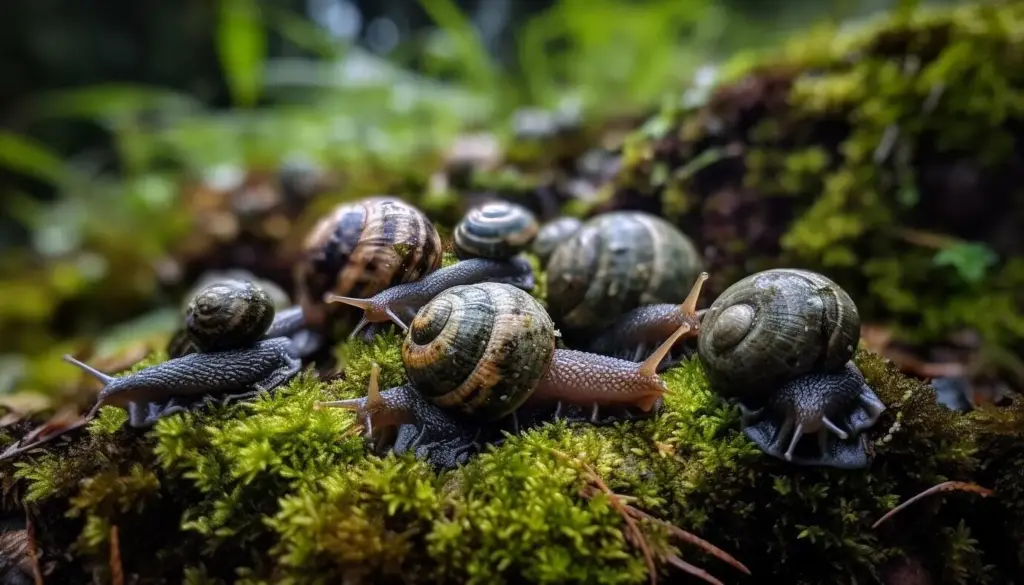
Light sculpts texture and emotion. Backlight turns hairs to halos, side light carves ridges, and overcast skies polish colors to velvet. Consider your palette: coppery rust, new green, silvery dew, sulfur yellow. Build narratives—an ant hauling treasure, a snail crossing a canyon—and let each frame suggest curiosity, place, and time.

Backlight and Texture Magic
Position the sun behind leaves to reveal veins like stained glass, or behind insects to rim their forms with fire. Mist a plant lightly to spark starry highlights. Watch for flare, shade the lens, and shape reflections so detail gleams without overpowering the delicate character you hope to honor.

Reflectors, Fill, and Shadows
A white card, your palm, or a foil-wrapped notebook bounces light into shadowed hollows. Small flashes work beautifully when softened and aimed off-axis. Preserve dimension; avoid flattening by respecting shadow transitions. Subtle fill retains mood, keeping droplets, beetle shells, and fuzzy stems three-dimensional, inviting tactile memory along with visual delight.

Wild Neighbors: Science in Every Snapshot
Close views invite discovery: spiraled snail shells follow logarithmic growth, honeybees carry pollen in corbiculae, and lichens are partnerships between fungi and algae. Observe stomata breathing on leaves through condensation. Contribute to citizen science, compare seasons, and keep notes so your images become records that inform curiosity, restoration, and care.
Start a Micro-Challenge
Choose a simple prompt like reflective surfaces, spirals, or textures. Set a short deadline, share results, and explain what you learned. Friendly constraints sharpen observation and make practice fun, especially when families participate. Nominate next prompts collectively, keeping momentum alive with curiosity, generosity, and a sense of playful discovery.
Feedback that Fuels Progress
Ask for specific insights about focus, light, and framing, and offer the same to others. Celebrate small improvements, reference examples, and link resources that helped you. Constructive, kind critique builds confidence, reduces creative isolation, and turns a backyard habit into a reflective practice sustained by friendship and shared purpose.
Safety, Comfort, and Accessibility
Wear gloves around thorns, avoid pesticides, and wash hands after exploring. Use kneepads, a small stool, or a ground sheet to stay comfortable. Consider mobility needs, choose reachable subjects, and collaborate with friends. Care for yourself and others so mindful attention remains sustainable, welcoming, and joyfully repeatable.
All Rights Reserved.