
Little Mirrors on Leaves and Petals
Light, Physics, and the Magic Curve of Water
Refraction and the 1.33 Secret
Water’s refractive index, approximately 1.33, bends light as it enters and exits a droplet, often inverting and magnifying tiny scenes. When you align your eye or lens to the droplet’s optical axis, the world inside snaps into startling clarity. Move slightly, and the image shifts, stretching highlights and altering color balance. This dance of geometry and optics rewards slow breathing, steady posture, and careful framing, transforming simple moisture into a lens that paints a miniature landscape across living surfaces.
Surface Tension and Perfect Spheres
Surface tension persuades water into rounded beads, while leaf coatings and microscopic hairs influence how cleanly droplets form or spread. Hydrophobic leaves encourage near-spherical beads that glint like gems, whereas hydrophilic surfaces flatten droplets, creating softer reflections. Learn to read textures by touch and sight, noticing waxy sheen on nasturtiums or the velvet nap of rose petals. Each texture changes contrast, highlight sharpness, and micro-shadowing, shaping how the final image feels: crystalline, tender, or softly glowing under gentle morning light.
Angles, Sun, and Subtle Prisms
Positioning yourself relative to the sun or brightest sky determines whether droplets ignite with halos or whisper with diffused glow. Low-angle light can introduce delicate prismatic touches through dispersion and internal reflections, while overcast skies create broad, even highlights. Tilt the leaf slightly and watch the highlight travel like a comet across the droplet, altering perceived sharpness. Small changes matter enormously, so experiment patiently. The most evocative sparkle often appears a step to the left, a breath lower, a heartbeat later.
Field Notes from Wet Mornings
Reading the Weather
Light drizzle yields countless tiny beads, while heavier showers carve bigger, more dramatic lenses. Overcast days give even, low-contrast scenes, ideal for revealing interior details without harsh hotspots. After a cold, clear night, dew clings persistently, especially at sunrise. Learn local microclimates—shaded corners preserve droplets longer than open paths. Record times and conditions that consistently delight you. With practice, you can predict when a garden will glitter like a chandelier, ready to deliver images filled with tenderness, clarity, and lingering calm.
Finding Dew Havens
Certain plants host droplets beautifully: nasturtiums bead water like jewelry, lupines gather bright pearls along ridges, and roses cradle reflective globes within velvet folds. Moss, ferns, and grasses generate captivating micro-forests that cradle hundreds of shining points. Explore spider silk after damp nights for floating constellations. Look beneath leaves where gravity slows evaporation. Edges of pathways, shaded fences, and low garden beds often preserve moisture longer. These quiet refuges reward gentle movement, respectful hands, and attentive eyes tuned to shimmering silence.
Working Gently, Respectfully
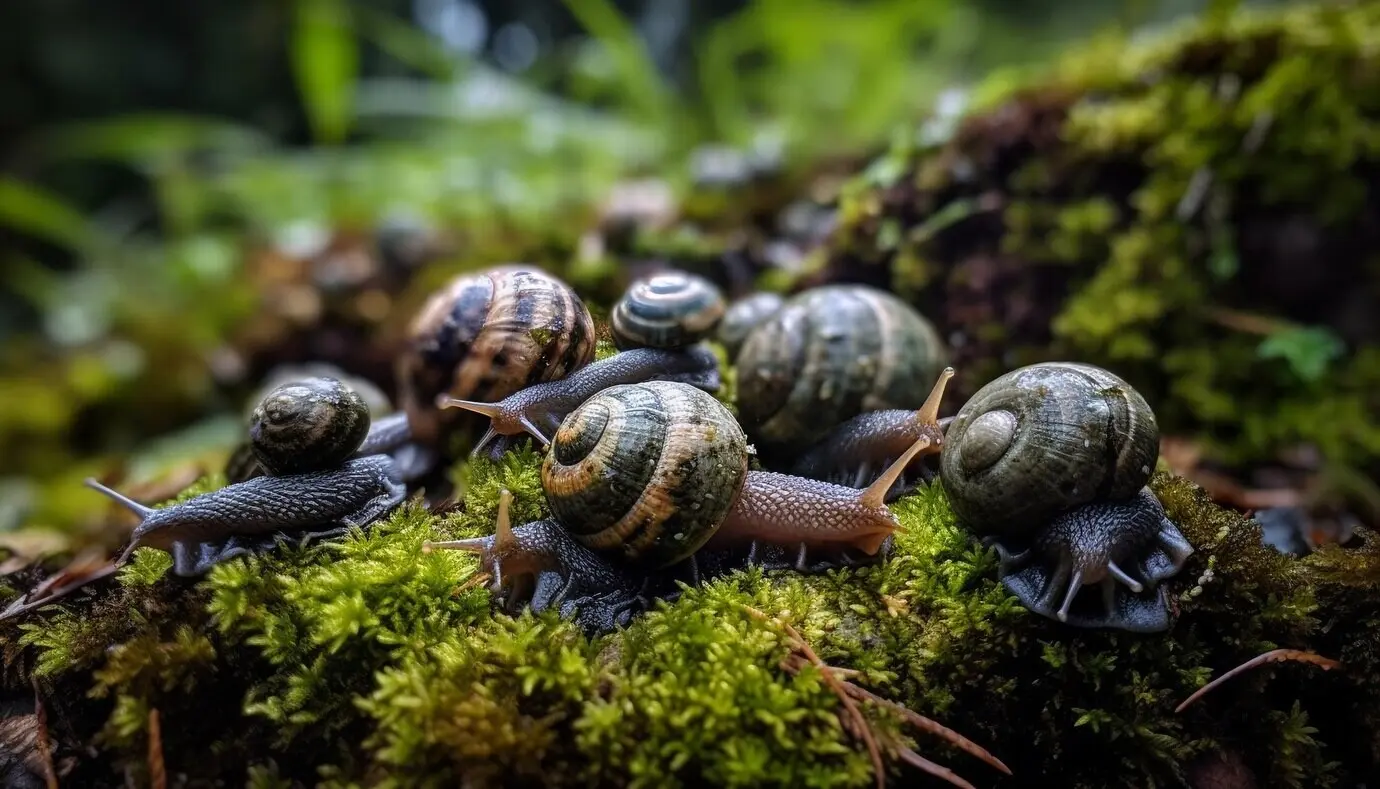
Plants remember heavy hands. Approach slowly, keep straps secured, and avoid resting gear on fragile stems. Use a small kneeling pad to reduce soil compaction. If you lift a leaf for alignment, return it gently to its natural pose. Avoid artificial sprays in public spaces where habitats are sensitive. Share paths with insects and snails, giving them first priority in their homes. Your care sustains scenes for the next morning, ensuring future wanderers can greet the same quiet, glistening wonders you cherish.
Macro Techniques That Make Tiny Reflections Sing


Framing the Hidden Scene
Bokeh as a Soft Chorus
Post-Processing with a Light Touch

Clarity Without Crunch

Color Balance After a Storm

Selective Sharpening and Noise Care
Gardens, Trails, and City Corners
Share, Learn, and Keep the Rainy Joy Alive

All Rights Reserved.