
Through the Lens of Changing Seasons
Today we dive into Seasonal Details: Capturing Spring Buds, Summer Veins, Autumn Textures, and Winter Frost, celebrating the quiet spectacles that appear when we kneel, wait, and truly look. Expect practical techniques, heartfelt stories from the field, and inspiration to build a steady, mindful practice. Share your observations, subscribe for monthly prompts, and join a community that values patience, curiosity, and the small wonders that make every walk outdoors feel unforgettable.
Training the Eye to Notice What Others Miss
Reading the Garden Before Shooting
Walk the perimeter without lifting your camera, noting wind direction, insect traffic, and how light pools around new growth. Identify fragile buds you must not touch, slick mud that risks tripod stability, and backgrounds that help subjects sing. Sketch mental frames, pre-visualize angles, and commit to patient waiting. This gentle reconnaissance turns chance encounters into purposeful, respectful, and beautifully coherent images.
Timing Your Walks with Light and Weather
Spring buds become luminous during soft dawns, while summer veins glow under careful backlight and cloud-diffused skies. Autumn’s textures thrive after rain when bark darkens and contrast rises, and winter frost crystallizes before sun breakthroughs. Study forecasts, wind maps, and humidity charts. Align your schedule with nature’s rhythms, so your visits coincide with transformation rather than routine, delivering subtle, touchable detail without heavy-handed edits.
Building a Field Ritual
Create a dependable sequence: silence notifications, warm your hands, check battery levels, clean your front element, and set a baseline exposure. Kneel to test perspective, listen for bees, breathe steadily, then commit to a few considered frames instead of a frantic spray. This intentional cadence strengthens intuition, reduces missed moments, and keeps your presence gentle, leaving plants, insects, and delicate crystals undisturbed and unbroken.
Gear That Serves the Small and Subtle
Choose tools that extend your reach without overwhelming the scene. Macro lenses, extension tubes, and close-up filters each shape working distance and background character. Stabilization and quiet triggers protect fine details from tremors, while simple light shapers tame harsh sun or coax sparkle from frost. Pack minimally, maintain meticulously, and prioritize reliability, because fragile subjects cannot wait while you troubleshoot preventable mishaps in cold fingers and shifting wind.
Choosing Lenses and Extension Solutions
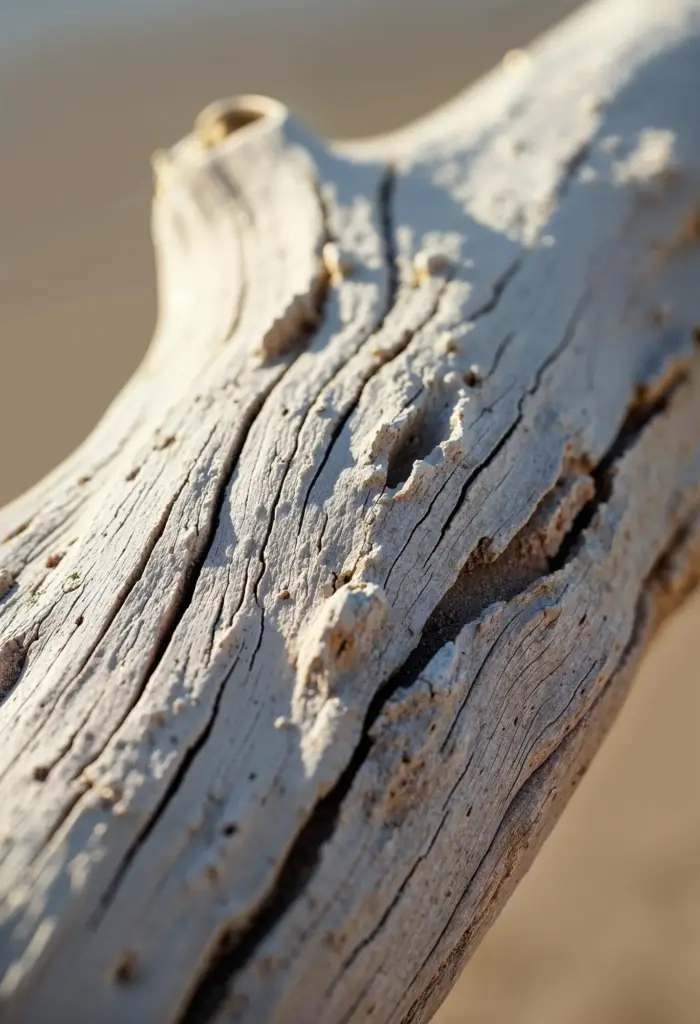
A 90–105mm macro offers generous working distance for wary insects and fragile buds, while a 50–60mm macro feels intimate yet demands careful background control. Extension tubes preserve optical quality, reversed lenses invite creative experiments, and close-up diopters travel light. Balance corner sharpness with bokeh character. Decide based on season: space around frosted twigs, closeness among summer leaves, and the compositional breathing room your story truly needs.

Stabilization, Focusing Rails, and Remote Triggers
A compact, low-spreading tripod or ground plate steadies close-to-earth compositions. Focusing rails enable precise micro-adjustments for stacking without nudging your subject, and remote triggers eliminate micro-shake from button presses. Combine with in-body stabilization mindfully. Practice a stance that isolates your breathing from the system. When winter air numbs hands, simple ergonomics matter most, preserving sharp crystalline edges and the delicate vein geometry sunlit through summer leaves.
Season-Specific Techniques That Reveal Hidden Beauty
Each season carries distinct behavior, color, and movement that demands tailored choices. Spring invites delicate focus and gentle motion control; summer rewards translucent backlight with careful heat management; autumn thrives on tactile contrast; winter asks for breath discipline and protective warmth. Understanding these nuances keeps your workflow adaptable and humane, honoring both the subject and your own stamina while preserving the quiet marvels you set out to celebrate.

Compositions That Tell Intimate, Seasonal Stories
Compose with intention rather than habit. Identify a dominant texture, assign supporting roles, and keep visual noise low so small structures breathe. Use diagonals to suggest movement, negative space to grant dignity, and edges to protect fragile forms. Let color harmonies carry emotion, and scale hints invite empathy. When every plane is considered, viewers experience not just appearance, but the living rhythm of place and moment.

Microcontrast and Local Adjustments
Start with foundational exposure and gentle capture sharpening. Add texture or clarity sparingly, concentrating on where eyes naturally land. Dodge to lift veins’ paths, burn to quiet distractions, and mask carefully to avoid halos. Local adjustments should feel invisible, like a breeze that moves nothing yet refreshes everything. Subtlety preserves trust, helping viewers believe and feel the surfaces they are seeing.
Color Management Across Mixed Light
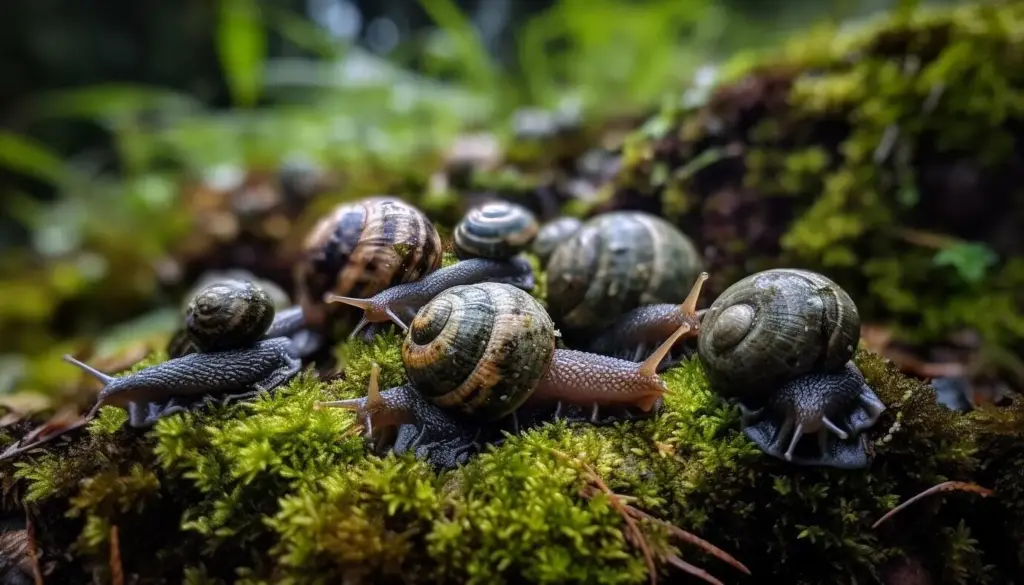
Calibrate your monitor, shoot a gray reference in challenging conditions, and consider a custom profile for winter blues or summer greens. Work HSL channels with a soft hand to protect botanical nuance. When backlight warms while shade cools, anchor white balance thoughtfully, then harmonize. Aim for continuity across a set, not uniformity, so each photograph speaks personally while still belonging to its seasonal chorus.
Field Ethics, Safety, and a Welcoming Community
The smallest subjects deserve the largest care. Tread softly, avoid trampling roots, and never pick buds for photographs. Dress for shifting temperatures, hydrate, and plan exits before weather turns. In winter, manage condensation thoughtfully and protect skin from sharp cold. Share learning generously, ask for local guidance, and celebrate beginners. Collective stewardship keeps access open, habitats thriving, and curiosity shining season after season.

All Rights Reserved.